
Traeger Smoked Turkey

This Traeger Smoked Turkey is my favorite turkey method. Put away the gallons of oil, free up your oven, and go ahead and donate that giant electric roaster that you only pull out once a year to someone else, because you're going to want Smoked Traeger Turkey every year from here on out.

Traeger Smoked Turkey Recipe
This Traeger Smoked Turkey is my favorite turkey method, hands down. Put away the gallons of frying oil, free up your oven, and go ahead and donate that giant electric roaster you only pull out once a year to someone else, because you're going to want Smoked Traeger Turkey every year from here on out.
You guys probably made Traeger Chicken as your very first recipe on the grill. Most everyone does, and for good reason. It just works, every time. I wasn't sure I'd be as impressed with a whole roasted turkey as I am with that chicken, but I've seen the light. The meat was moist, the skin was perfect, and there was just enough smoke flavor to keep things interesting without taking over.
We got great drippings for gravy by cooking the bird in a large pan, and I turned the carcass into stock afterward so I didn't need a drop of the boxed stuff. More on that below, because that's one of my favorite parts of this whole process.
I had turkey dinner at my own wedding, in August, in Northern Minnesota. Not exactly turkey season, but my family cooked for days and it was one of the best turkey dinners I've ever had. That's how much I love this bird. Turkey dinner is right up near the top of my favorite food list.
Why You'll Love This Recipe
- It's basically foolproof. Simple seasoning, a steady temperature, and time. That's it.
- It frees up your oven. Huge deal on Thanksgiving when every burner and rack is already spoken for.
- The flavor is next level. Wood smoke does something to poultry that an oven just can't replicate.
- The drippings make incredible gravy. You'll never want to go back to boxed stock again.
- It scales for a crowd. Smoke one bird or two, depending on your headcount.
Traeger Turkey vs. Deep-Fried vs. Oven-Roasted
This comes up every year, so let's settle it. A deep-fried turkey gets you incredibly crisp skin and a fast cook time, but you're dealing with a huge pot of hot oil, which isn't something everyone wants to manage in their driveway. Oven-roasting is the most familiar method, but it ties up your oven for hours and doesn't add any flavor beyond what you season it with.
Smoking splits the difference. You get skin that's better than oven-roasted (though not as shatteringly crisp as fried), meat that stays moist thanks to the low, steady heat, and a layer of smoky flavor you can't get any other way. It also completely frees up your oven for sides and pie, which on Thanksgiving is worth more than people give it credit for.
More Easy Traeger Recipes here!

Recipe Shopping List
Wondering if you have to hit the store? Here's the list of items you'll need to make this recipe. For specific amounts, please refer to the printable recipe card at the bottom of the post.
- Turkey - a 10-13 pound bird thaws and cooks the most predictably. Bigger birds work too, you'll just add cook time.
- Olive Oil - helps the seasoning stick and the skin crisp up. Melted butter works if you want a richer flavor under the skin.
- Ground Poultry Seasoning - a classic sage, thyme, and rosemary blend. Homemade works fine if that's what you've got.
- Kosher Salt - don't substitute table salt at the same measurement, it's much saltier by volume. Cut it back if you switch.
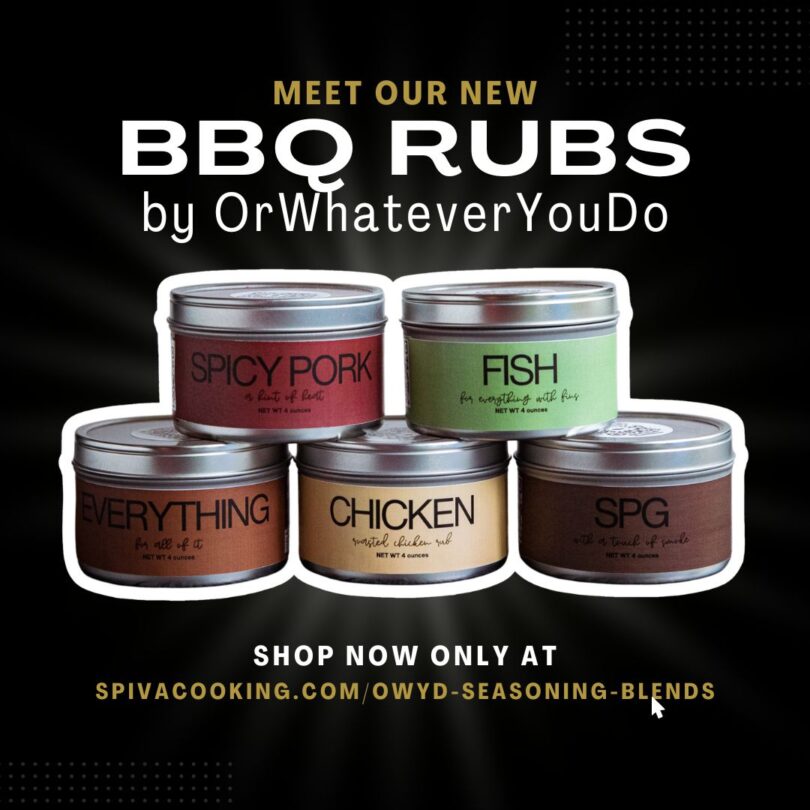
- Traeger Chicken Rub (or your favorite chicken rub) - any poultry-friendly rub works here. I also really like our OWYD Custom Rubs if you want to switch things up, and the Spiceology turkey rub mentioned below in the brining section is another solid option.

How To Make This Recipe
This is the quick overview so you know what you're getting into. Use the full recipe card at the bottom of the post when you're actually cooking.
- Season the bird. Mix the oil and seasonings, then rub it all over the outside of the turkey. Get some under the skin too, that's where a lot of the flavor payoff happens.
- Set it up to cook. Place the turkey breast-up on a rack set inside a pan, so air can move underneath it.
- Start low and uncovered. Preheat your Traeger to 250°F, place the turkey on the grill, and let it go uncovered for 2 hours without peeking.
- Bump the heat and cover. After 2 hours, increase the temp to 325°F and cover the turkey.
- Finish to temperature. Roast another 2-4 hours, depending on the size of your bird, until it hits 165°F internal.
- Rest, carve, and save those drippings. They're the start of your gravy.
Get a great Deep Fried Turkey recipe here!

What's the Best Wood Pellet Flavor for Turkey?
Pellet flavor is one of those things people overthink. Fruit woods like apple and cherry are my go-to for turkey because they add a mild, slightly sweet smoke that doesn't compete with the poultry seasoning. Traeger's Gourmet Blend (a mix of hickory, maple, and cherry) is another one I reach for often and works well if you want a little more depth.
If you want a bolder, more traditional barbecue flavor, hickory on its own will get you there, just know it's a stronger smoke and can start to dominate a milder-flavored bird if you overdo it. I'd save straight hickory or mesquite for beef and pork, and stick with the fruit woods or a blend for turkey.
Should You Brine Your Turkey?
This comes up a lot in the foodie Facebook groups, and for many years I was pretty anti-brine. It's more work, and I wasn't convinced it made a real difference.
One year we did a dry brine on one bird and a wet brine on another, and both came out moist, juicy, and incredible, so I've come around to the brine side. That said, it's not required. A properly seasoned, unbrined turkey smoked at the right temperature still turns out great, which is exactly how the recipe below is written. No brine, no injections, just a fresh bird, oil, and seasoning.
Whatever you decide, one thing is non-negotiable: let the bird sit uncovered in the fridge for at least 24 hours before cooking, whether you're brining or not. Skip this and the skin will never crisp up properly.
If you do want to dry brine, I recommend this turkey rub from Spiceology.
Troubleshooting: Common Turkey Problems
Dry meat. This is almost always a temperature problem, not a time problem. Cook to temperature, not to the clock, and pull the bird at 165°F in the thickest part of the breast, not a degree higher. Letting it sit out to come closer to room temp before it goes on the grill also helps it cook more evenly, so it's not still ice cold in the center when the outside is nearly done.
Uneven cooking. Make sure your turkey isn't crammed into a pan that's too small, and that there's airflow all the way around it. A rack under the bird makes a big difference here. If one side of your grill runs hotter, rotate the pan halfway through the cook.
Rubbery or pale skin. This usually comes down to moisture. A wet turkey skin will never crisp properly, so pat it completely dry before seasoning, and don't skip that 24-hour uncovered rest in the fridge. Cooking uncovered for the first two hours (as the recipe calls for) also helps a lot.
Turkey Stock and Gravy From The Drippings
Don't toss those pan drippings. After the turkey comes off the grill, strain the liquid from the pan and skim off the excess fat. What's left is loaded with smoky, roasted flavor and is the base for the best gravy you'll make all year. Whisk it into a simple roux of butter and flour, and you're done, no boxed stock needed.
I also always turn the leftover carcass into stock. Toss the bones into a stockpot with water, a quartered onion, some carrot and celery, and simmer for a few hours. Strain it and you've got a smoky turkey stock you can use for soup, more gravy, or freeze for later. It's one of my favorite parts of the whole process, and it means Thanksgiving week gravy never comes from a box.
Serve with Traeger Garlic Mashed Potatoes!

Tips For A Delicious Turkey
Use A Good Thermometer
Always cook to temperature and never to time. A good instant-read thermometer is essential here, and bonus points if you have a WiFi version so you're not opening the lid every twenty minutes. We love the ThermoWorks Smoke (aff) for this. It's the most reliable wireless thermometer I've used, and it's great for any large cook where you don't want to babysit the grill.
Don't Skimp On Seasoning
You're seasoning a huge piece of meat here, and you'll need a generous amount to actually get the job done. Don't forget to work some seasoning under the skin too, not just on top of it.
Get A Turbo Trusser
Make trussing your bird simple with a Turbo Trusser. It's my favorite gadget for turkey day, and I loved it so much I bought them for the whole extended family one Christmas. They make chicken versions too, and they work just as well.
Prefer a different shape of bird? Try my Traeger Spatchcock Turkey instead. Spatchcocking flattens the bird out for faster, more even cooking, and it's a great option if you want crispier skin without babysitting the temperature as closely.

If You're Stuffing The Turkey
Do this at your own risk. We're all pretty aware of the food safety concerns here, so make sure you temp the stuffing separately and confirm it's fully cooked, and don't pack it in tightly.
If you want stuffing flavor without the risk, cook it in a cheesecloth bag inside the turkey cavity for most of the cook, then pull it out for the last hour and finish it in a casserole dish, either on the grill or in the oven at 375°F. This gets you that turkey-drippings flavor in your stuffing without the safety issues of a fully packed cavity, and it's how I do it most years.
How Far In Advance Should You Thaw Your Turkey?
Plan on 24 hours of thawing time in the fridge for every 4-5 pounds of turkey. For a 12-pound bird, that's about 3 days in the fridge. Don't thaw it on the counter, and don't rush it. Once it's thawed, remember that 24-hour uncovered fridge rest before it goes on the grill, so build that into your timeline too.
Can You Smoke Two Turkeys At Once?
Yes. If you're feeding a big crowd, I'd actually rather smoke two smaller birds than one giant one, since they cook more evenly. Just know your Traeger will work a little harder to hold temperature with more mass on the grates, so keep a close eye on your thermometer and don't be surprised if the cook takes a bit longer than usual.
Make A Spare Bird For Leftovers
If you really want to make your family happy, cook the extra bird and send everyone home with leftovers. Not hosting is the worst part about missing out on leftovers, and I might love Thanksgiving leftovers more than the first day's dinner. I prefer to do this the day before Thanksgiving, and then I make homemade turkey stock with the carcass to use for gravy on the big day.
Get great ideas for what to do with your leftover turkey here!
How To Reheat Leftover Smoked Turkey Without Drying It Out
Low and slow is the move. Reheat sliced turkey covered in a 300°F oven with a splash of stock or broth in the pan to keep the moisture in, just until it's warmed through. Avoid the microwave if you can, it tends to dry the meat out fast. If you saved any of those drippings or made stock, reheating the turkey in a little of that gravy is even better.
Try my Traeger Spatchcock Turkey!

Serve This With
Want more options? Check out all of my Traeger Side Dish Recipes for the full lineup.
And if you want the whole holiday menu sorted at once, get my Favorite Traeger Holiday Recipes, it's got mains, sides, and appetizers all in one spot.
Try this this Green Bean Casserole with Fresh Green Beans, and some Cranberry Sangria to go with your turkey, too! Get a great Deep Fried Turkey recipe here!

Traeger Smoked Turkey

Traeger Smoked Turkey is going to quickly become your new favorite turkey method. Moist, tender, and with just enough smoke to keep it interesting - you'll be coming back for seconds.
Ingredients
- 1 10-13 pound turkey, thawed, rinsed, and patted dry
- ½ cup olive oil
- 2 teaspoons ground poultry seasoning
- 1 tablespoon kosher salt
- 2 teaspoons Traeger Chicken Rub (or your favorite chicken rub)
Instructions
- Mix together the oil and seasonings, and then get to rubbing. You want it alllll over the outside of the turkey. Bonus points for getting a little between the skin and the breast too.
- Place the turkey on a rack to raise it off the bottom of the pan, breast up.
- Fire up the Traeger according to factory instructions, and preheat to 250. Place the turkey + pan on the grill, uncovered. Close the lid of the grill and set your timer for 2 hours, because you don't want to peek before then.
- After two hours have passed, increase the temp to 325 and cover the turkey.
- Roast another 2-4 hours (depending on the size of your turkey) until the internal temperature reaches 165 degrees.
- Remove from grill, carve, and make gravy with the drippings!
Notes
If you stuff your turkey:
Do so at your own risk. I think we're all pretty aware of the dangers of this at this point. Make sure to temp your stuffing and ensure it is fully cooked, and DON'T PACK IT IN.
If you can swing it, scoop all the stuffing out for the last hour of cook time, and cook separately (covered) in a baking dish in the oven at 375. I've also done it in a cheesecloth bag in the turkey so I can pull it out easily near the end to cook in a casserole dish the rest of the way.
Recommended Products
As an Amazon Associate and member of other affiliate programs, I earn from qualifying purchases.




Nutrition Information:
Amount Per Serving: Calories: 418Saturated Fat: 4gCholesterol: 193mgSodium: 591mgProtein: 58g
I like the leftover turkey better than the main meal. As a person who hates the smell of turkey cooking (don't hate me) this method sounds perfect to me -- looks good, too!
Thanks, Dee!! Leftover turkey is SO great. I love it on a leftover homemade roll with a little salt and mayo. YUM.
@Nicole Johnson, we did a turkey and a spatchcocked chicken roaster at the same time. It was amazing!!!
That's wonderful! Love it. Thanks for stopping by to tell me!
Have you tried to smoke two at once? Wondering how this might effect cook times and temps? I’m doing one 20+ lb and a 10-12 lb and need to do both in the Traeger. Any insight on that? Thanks!
I haven't tried that, so it really depends on how well your Traeger maintain temps with the additional load. If so, it shouldn't really take any extra time.
How long did it take to cook a 20lb turkey?
This is going to vary SO much depending on so many different factors. Always cook by temp and not by time. Sometimes it goes fast and sometimes...it doesn't. If you aren't spatchcocking, I'd figure 15-20 minutes per pound for a reallllly general ballpark.
What do you cover the turkey with? Aluminum foil?
I covered with my pan cover, but foil will work too!
Do you wrap it in foil?
Nope! Only cover it if it starts to get too brown.
You said to begin uncovered. What temperature is/was it where you live when you did this? If it’s too cold, what ever temp that might be, perhaps keep cover closed the entire time?
Hey James! I didn't mean uncovered as in, with the grill lid open. That would definitely be a recipe for disaster. 😉 I meant you should keep the pan uncovered.
Is the turkey spatchcocked ? Don’t see that in the recipe but in the pictures it is.
It isn't. The spatchcocked turkey photo was in reference to my spatchcock turkey recipe, that is linked in the post. Here's the link! https://www.orwhateveryoudo.com/2019/07/traeger-spatchcock-chicken.html
You mentioned to cover the last two hours. Cover with what, foil?
Which brand of poultry seasonings?
Yup! Foil works for the cover, or a large lid if you use a roaster. It is pretty flexible, in that way. I love the Spiceology brand of poultry seasoning, but any good quality poultry rub should work!
What flavor of pellets did you use?
Whatever was in the hopper. 😉 We usually run fruit woods like apple or cherry, or the Traeger Gourmet Blend.